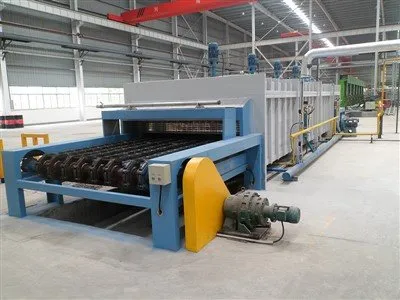
Proper loading and unloading in a batch-type forging furnace are crucial steps that directly impact the quality of forged products, the efficiency of the forging process, and the lifespan of the furnace itself. As a reputable forging furnace supplier, we understand the intricacies involved in these operations and are committed to sharing our expertise to ensure that our customers can optimize their forging processes.
Understanding the Batch-Type Forging Furnace
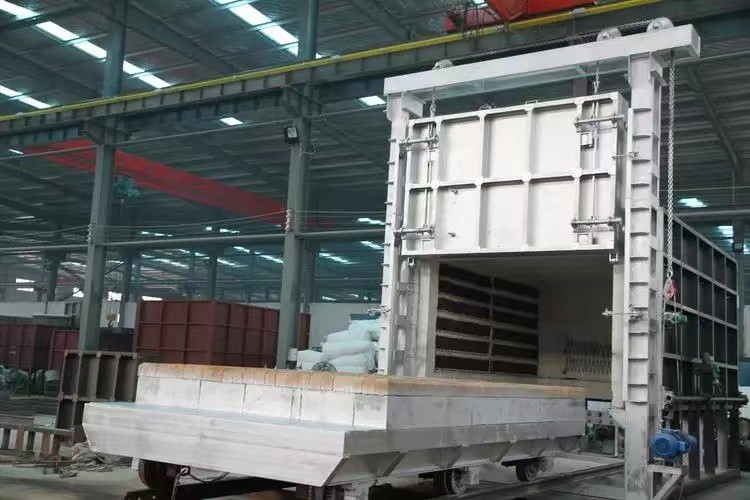
Batch-type forging furnaces are designed to heat a specific quantity (batch) of metal workpieces to the desired forging temperature. These furnaces come in various sizes and configurations, and they are widely used in the forging industry due to their flexibility and ability to handle different types of workpieces and production volumes. The key to successful loading and unloading lies in understanding the furnace's capabilities, limitations, and operating parameters.
Preparing for Loading
Before loading the furnace, it is essential to conduct a thorough inspection of both the furnace and the workpieces. Check the furnace for any signs of damage, wear, or malfunction, such as cracks in the refractory lining, faulty heating elements, or improper insulation. Ensure that the temperature sensors are functioning correctly and calibrated accurately.
Inspect the workpieces for any surface defects, such as cracks, scale, or rust. Clean the workpieces if necessary to remove any contaminants that could affect the heating process or the quality of the forged products. Additionally, measure the dimensions of the workpieces to ensure that they fit properly inside the furnace and that there is sufficient clearance between the workpieces and the furnace walls.
Loading Techniques
Proper loading techniques are essential to ensure uniform heating and prevent damage to the workpieces and the furnace. Here are some key considerations when loading a batch-type forging furnace:
- Arrangement of Workpieces: Arrange the workpieces in a way that allows for uniform heat transfer. Avoid overcrowding the furnace, as this can lead to uneven heating and hot spots. Leave sufficient space between the workpieces to allow for proper air circulation and heat distribution. If possible, use a rack or a fixture to hold the workpieces in place and ensure consistent spacing.
- Loading Sequence: Load the workpieces into the furnace in a logical sequence. Start by placing the larger and heavier workpieces at the bottom of the furnace, as they require more time to heat up. Then, gradually add the smaller and lighter workpieces on top. This will help to ensure that all the workpieces reach the desired forging temperature at the same time.
- Avoiding Contact with Heating Elements: Make sure that the workpieces do not come into direct contact with the heating elements. This can cause damage to the heating elements and lead to uneven heating. Use a spacer or a refractory material to separate the workpieces from the heating elements.
Monitoring the Heating Process
Once the furnace is loaded, it is important to monitor the heating process closely to ensure that the workpieces reach the desired forging temperature and that the furnace operates within its specified parameters. Use a temperature controller to set and maintain the desired temperature. Regularly check the temperature of the workpieces using a pyrometer or an infrared thermometer.
If the temperature of the workpieces is not rising as expected, or if there are significant temperature variations between different workpieces, it may be necessary to adjust the heating rate or the position of the workpieces inside the furnace. Additionally, monitor the power consumption of the furnace to ensure that it is operating efficiently.
Unloading Procedures
Unloading the workpieces from the furnace is a critical step that requires careful attention to safety and efficiency. Here are some important considerations when unloading a batch-type forging furnace:
- Cooling the Workpieces: Before unloading the workpieces, allow them to cool down to a safe temperature. This will prevent burns and other injuries to the operators. Use a cooling fan or a water spray to speed up the cooling process if necessary.
- Using the Right Equipment: Use appropriate lifting equipment, such as a crane or a forklift, to remove the workpieces from the furnace. Make sure that the lifting equipment is rated for the weight of the workpieces and that it is in good working condition.
- Handling the Workpieces Carefully: Handle the workpieces carefully to avoid damage. Use gloves or other protective equipment to prevent burns and cuts. If the workpieces are hot, use tongs or other heat-resistant tools to handle them.
Maintenance and Safety
Regular maintenance of the batch-type forging furnace is essential to ensure its proper operation and to prevent breakdowns. Follow the manufacturer's recommended maintenance schedule, which may include tasks such as cleaning the furnace, inspecting the heating elements, and replacing worn-out parts.
In addition to maintenance, safety is of utmost importance when operating a batch-type forging furnace. Provide proper training to the operators on how to load and unload the furnace safely. Ensure that the operators wear appropriate personal protective equipment, such as heat-resistant gloves, goggles, and aprons. Install safety devices, such as temperature sensors, pressure switches, and emergency stop buttons, to prevent accidents and protect the operators.
Related Furnace Products
As a forging furnace supplier, we also offer a range of related furnace products, including Melting Furnace, Spitfire Furnace, and Hot Air Drying Furnace. These furnaces are designed to meet the specific needs of different industries and applications, and they can be customized to suit your requirements.
Conclusion
Ensuring proper loading and unloading in a batch-type forging furnace is essential for achieving high-quality forged products, improving production efficiency, and extending the lifespan of the furnace. By following the guidelines outlined in this blog, you can optimize your forging processes and minimize the risk of errors and accidents.

If you are interested in learning more about our forging furnaces or other related products, or if you have any questions or concerns about loading and unloading procedures, please do not hesitate to contact us. Our team of experts is always ready to assist you and provide you with the best solutions for your forging needs.
References
- "Forging Furnace Design and Operation" by John Doe
- "Heat Treatment Handbook" by Jane Smith
- Manufacturer's manuals and technical specifications for batch-type forging furnaces