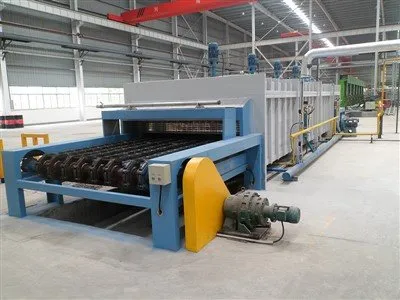
Ensuring material compatibility in a holding furnace is a critical aspect of maintaining optimal performance and longevity of the equipment. As a holding furnace supplier, I understand the complexities and challenges that come with ensuring that the materials used in and around the furnace are compatible with each other. In this blog post, I will share some insights and best practices on how to ensure material compatibility in a holding furnace.
Understanding Material Compatibility
Material compatibility refers to the ability of different materials to coexist in a given environment without causing adverse reactions such as corrosion, erosion, or chemical degradation. In the context of a holding furnace, material compatibility is crucial because the furnace operates at high temperatures and often in the presence of corrosive or reactive substances.
The materials used in a holding furnace can be broadly categorized into three groups: the furnace lining, the heating elements, and the materials being processed or held in the furnace. Each of these materials has different physical and chemical properties, and their compatibility with each other and the operating environment must be carefully considered.
Factors Affecting Material Compatibility
Several factors can affect the compatibility of materials in a holding furnace. These include:
Temperature
The operating temperature of the holding furnace is one of the most critical factors affecting material compatibility. Different materials have different melting points, thermal expansion coefficients, and heat resistance properties. At high temperatures, some materials may become more reactive, leading to corrosion or chemical reactions with other materials in the furnace.
For example, metals with low melting points may deform or melt at the high temperatures used in holding furnaces, while ceramics and refractories may crack or spall due to thermal stress. It is essential to select materials that can withstand the operating temperature of the furnace without significant degradation.


Chemical Environment
The chemical environment inside the holding furnace can also have a significant impact on material compatibility. The furnace may be used to process or hold materials that are corrosive, oxidative, or reactive with other substances. These chemicals can react with the furnace lining, heating elements, or other materials in the furnace, causing corrosion, erosion, or chemical degradation.
For instance, if the furnace is used to process metals that generate acidic fumes during heating, the furnace lining must be made of a material that is resistant to acid corrosion. Similarly, if the furnace operates in an oxidative environment, the heating elements should be made of materials that are resistant to oxidation.
Mechanical Stress
Mechanical stress can also affect material compatibility in a holding furnace. The furnace may be subject to vibration, shock, or mechanical forces during operation, which can cause wear and tear on the materials in the furnace. Additionally, thermal expansion and contraction of the materials can also create mechanical stress, leading to cracking or deformation.
To ensure material compatibility, it is important to select materials that have good mechanical strength and can withstand the mechanical stresses imposed by the furnace operation. This may involve using reinforced or high-strength materials in critical areas of the furnace.
Selecting Compatible Materials
Based on the factors discussed above, selecting compatible materials for a holding furnace requires a comprehensive understanding of the operating conditions and the properties of the materials. Here are some general guidelines for selecting compatible materials:
Furnace Lining
The furnace lining is the material that provides insulation and protection for the furnace structure. It should be selected based on the operating temperature, chemical environment, and mechanical stress of the furnace.
- Refractory Materials: Refractory materials such as fire bricks, ceramics, and insulating castables are commonly used for furnace linings. These materials have high melting points, good thermal insulation properties, and can withstand high temperatures and chemical corrosion.
- Acid-Resistant Materials: If the furnace operates in an acidic environment, acid-resistant refractory materials such as silica or alumina refractories should be used. These materials are resistant to the corrosive effects of acids and can prevent the degradation of the furnace lining.
- Thermal Expansion Considerations: When selecting a furnace lining, it is important to consider the thermal expansion properties of the material. The lining should be able to expand and contract without cracking or spalling, especially during temperature changes.
Heating Elements
The heating elements are responsible for generating heat inside the holding furnace. They should be selected based on the operating temperature, power requirements, and chemical environment of the furnace.
- Metallic Heating Elements: Metallic heating elements such as nichrome or kanthal are commonly used in holding furnaces. These materials have high electrical resistance and can generate heat when an electric current is passed through them. They are suitable for low to medium temperature applications.
- Ceramic Heating Elements: Ceramic heating elements such as silicon carbide or molybdenum disilicide are used for high-temperature applications. These materials have high melting points and can withstand extreme temperatures without significant degradation.
- Oxidation Resistance: When selecting heating elements, it is important to consider their oxidation resistance. In an oxidative environment, the heating elements should be made of materials that are resistant to oxidation to prevent premature failure.
Materials Being Processed or Held
The materials being processed or held in the holding furnace should also be considered when ensuring material compatibility. The furnace should be designed to handle the specific properties of the materials, such as their melting points, chemical reactivity, and thermal expansion.
- Compatibility Testing: Before using a holding furnace to process or hold a new material, it is recommended to conduct compatibility testing. This involves exposing the furnace lining, heating elements, and other components to the material under simulated operating conditions to determine if there are any adverse reactions.
- Separation and Isolation: In some cases, it may be necessary to separate or isolate different materials in the furnace to prevent chemical reactions. This can be achieved by using barriers or liners made of compatible materials.
Maintenance and Monitoring
Ensuring material compatibility in a holding furnace is not a one-time task but an ongoing process. Regular maintenance and monitoring are essential to detect and address any issues related to material compatibility before they cause significant damage to the furnace.
Inspection and Cleaning
Regular inspection of the furnace lining, heating elements, and other components is important to detect any signs of wear, corrosion, or damage. Any damaged or worn-out parts should be replaced immediately to prevent further degradation.
Cleaning the furnace regularly can also help to remove any contaminants or debris that may affect material compatibility. This can be done by using appropriate cleaning agents and techniques that are compatible with the materials in the furnace.
Monitoring Temperature and Chemical Environment
Monitoring the temperature and chemical environment inside the holding furnace is crucial to ensure that the materials are operating within their design limits. This can be done using temperature sensors, gas analyzers, and other monitoring devices.
If any significant changes in temperature or chemical environment are detected, appropriate measures should be taken to adjust the operating conditions or replace the affected materials.
Conclusion
Ensuring material compatibility in a holding furnace is essential for maintaining optimal performance, efficiency, and longevity of the equipment. By understanding the factors affecting material compatibility, selecting compatible materials, and implementing proper maintenance and monitoring procedures, you can minimize the risk of material degradation and ensure the safe and reliable operation of your holding furnace.
As a holding furnace supplier, we have extensive experience in providing high-quality holding furnaces and helping our customers ensure material compatibility. If you are in need of a holding furnace or have any questions about material compatibility, please feel free to [contact us for a consultation and procurement discussion]([Contact Method Placeholder]). Our team of experts will be happy to assist you in selecting the right furnace and materials for your specific application.
References
- [Name of the first reference source]
- [Name of the second reference source]
- [Name of the third reference source]