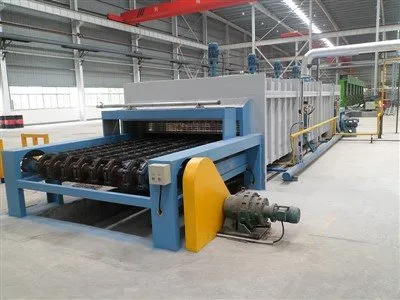
As a supplier of Both Ends Heating Furnaces, I understand the critical role that accurate temperature calibration plays in the performance and efficiency of these essential pieces of equipment. In this blog post, I'll share some insights and practical steps on how to calibrate the temperature of a Both Ends Heating Furnace effectively.
Why Temperature Calibration Matters
Before delving into the calibration process, it's important to understand why temperature calibration is so crucial. A Both Ends Heating Furnace is designed to heat materials to specific temperatures for various industrial processes, such as metal forging, heat treatment, and glass manufacturing. If the temperature is not accurately calibrated, it can lead to a range of issues, including:
- Poor product quality: Incorrect temperatures can result in inconsistent material properties, such as hardness, strength, and ductility, which can affect the performance and durability of the final product.
- Increased energy consumption: When a furnace is operating at an incorrect temperature, it may require more energy to achieve the desired heating effect, leading to higher energy costs and environmental impact.
- Equipment damage: Overheating or underheating can cause damage to the furnace components, such as heating elements, thermocouples, and insulation, reducing the lifespan of the equipment and increasing maintenance costs.
By calibrating the temperature of a Both Ends Heating Furnace regularly, you can ensure that it operates at optimal efficiency, produces high-quality products, and minimizes the risk of equipment failure.
Tools and Equipment Needed
Before you begin the calibration process, you'll need to gather the following tools and equipment:
- Thermocouples: These are temperature sensors that are used to measure the temperature inside the furnace. You'll need at least one thermocouple that is accurate and calibrated to the appropriate temperature range.
- Data logger: This is a device that records the temperature readings from the thermocouples over a period of time. It can be used to analyze the temperature profile of the furnace and identify any temperature variations or inconsistencies.
- Calibration standard: This is a reference temperature source that is used to verify the accuracy of the thermocouples. It can be a certified temperature probe or a temperature-controlled oven.
- Adjustment tools: Depending on the type of furnace, you may need tools such as screwdrivers, wrenches, or pliers to make adjustments to the temperature control settings.
Step-by-Step Calibration Process
The following is a step-by-step guide on how to calibrate the temperature of a Both Ends Heating Furnace:
Step 1: Prepare the Furnace
- Turn off the furnace: Before you begin the calibration process, make sure the furnace is turned off and has cooled down to room temperature. This will prevent any potential hazards and ensure accurate temperature readings.
- Clean the furnace: Remove any debris, dust, or contaminants from the furnace interior, heating elements, and thermocouples. This will help to ensure accurate temperature measurements and prevent any interference with the calibration process.
- Inspect the thermocouples: Check the thermocouples for any signs of damage, such as corrosion, bending, or breakage. Replace any damaged thermocouples with new ones that are compatible with the furnace and calibrated to the appropriate temperature range.
Step 2: Install the Thermocouples
- Determine the placement: Identify the locations where you want to measure the temperature inside the furnace. This may include the center of the heating chamber, near the heating elements, and at different levels or zones within the furnace.
- Install the thermocouples: Insert the thermocouples into the appropriate locations inside the furnace, making sure they are securely attached and in contact with the material being heated. Use high-temperature insulation or ceramic sleeves to protect the thermocouples from damage and ensure accurate temperature readings.
- Connect the thermocouples to the data logger: Use the appropriate cables or connectors to connect the thermocouples to the data logger. Make sure the connections are secure and the data logger is set up to record the temperature readings at the desired intervals.
Step 3: Perform a Baseline Temperature Measurement
- Turn on the furnace: Once the thermocouples are installed and connected, turn on the furnace and set it to the desired operating temperature. Allow the furnace to reach a stable temperature before taking any measurements.
- Record the temperature readings: Use the data logger to record the temperature readings from the thermocouples over a period of time, typically for at least 30 minutes to an hour. Make sure to record the time and date of each reading for future reference.
- Analyze the temperature profile: Review the temperature readings recorded by the data logger to identify any temperature variations or inconsistencies. Look for any trends or patterns in the temperature profile, such as temperature gradients, fluctuations, or hot spots.
Step 4: Compare the Temperature Readings to the Calibration Standard
- Obtain a calibration standard: Use a certified temperature probe or a temperature-controlled oven to obtain a reference temperature that is known to be accurate. Make sure the calibration standard is calibrated to the same temperature range as the furnace.
- Compare the temperature readings: Compare the temperature readings from the thermocouples inside the furnace to the reference temperature obtained from the calibration standard. If there is a significant difference between the two readings, it may indicate that the thermocouples need to be calibrated or adjusted.
- Adjust the temperature control settings: If the temperature readings from the thermocouples are higher or lower than the reference temperature, use the adjustment tools to make the necessary adjustments to the temperature control settings of the furnace. Follow the manufacturer's instructions or consult with a qualified technician to ensure the adjustments are made correctly.
Step 5: Repeat the Calibration Process
- Verify the accuracy: After making the adjustments to the temperature control settings, repeat the baseline temperature measurement process to verify the accuracy of the calibration. Compare the new temperature readings to the reference temperature and make any additional adjustments if necessary.
- Document the calibration results: Record the calibration results, including the date, time, temperature readings, and any adjustments made to the temperature control settings. Keep a copy of the calibration records for future reference and to demonstrate compliance with quality control standards.
- Schedule regular calibrations: To ensure the continued accuracy and performance of the Both Ends Heating Furnace, schedule regular calibrations at least once a year or more frequently if required by the application or industry standards.
Tips and Best Practices
- Use high-quality thermocouples: Invest in high-quality thermocouples that are accurate, reliable, and suitable for the temperature range and environment of the furnace. Replace the thermocouples regularly to ensure accurate temperature measurements.
- Follow the manufacturer's instructions: Always follow the manufacturer's instructions and guidelines for operating and calibrating the Both Ends Heating Furnace. This will help to ensure the safety and performance of the equipment and prevent any damage or malfunction.
- Train your staff: Provide training to your staff on how to operate and calibrate the Both Ends Heating Furnace correctly. Make sure they understand the importance of temperature calibration and the proper procedures for performing the calibration process.
- Monitor the temperature regularly: Use a temperature monitoring system or data logger to monitor the temperature inside the furnace continuously. This will help you to detect any temperature variations or abnormalities early and take corrective action before they cause any problems.
- Maintain the furnace properly: Regularly clean and maintain the furnace to ensure its optimal performance and longevity. Replace any worn or damaged components, such as heating elements, thermocouples, and insulation, as needed.
Conclusion
Calibrating the temperature of a Both Ends Heating Furnace is a critical process that ensures the accuracy, efficiency, and reliability of the equipment. By following the steps outlined in this blog post and implementing the tips and best practices, you can calibrate the temperature of your furnace effectively and maintain its optimal performance over time.

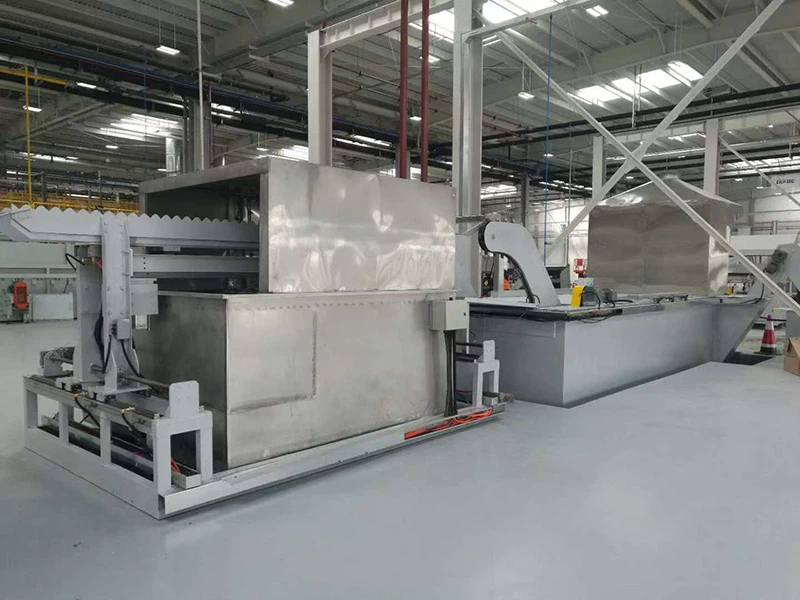
If you're in the market for a high-quality Both Ends Heating Furnace or need assistance with temperature calibration or maintenance, please don't hesitate to contact us. We're a leading supplier of industrial heating equipment and have the expertise and experience to help you find the right solution for your needs.
In addition to our Both Ends Heating Furnaces, we also offer a range of other equipment for the automotive industry, including Stabilizer Bar Molding Machines and Stabilizer Bar Automatic Supply Machines. These machines are designed to improve the efficiency and quality of the stabilizer bar manufacturing process, and we're confident they'll meet your requirements.
Thank you for reading this blog post. We hope you found it informative and useful. If you have any questions or comments, please feel free to leave them below.
References
- ASTM E220 - 18: Standard Test Method for Calibration of Thermocouples by Comparison Techniques
- ISO 9001:2015: Quality Management Systems - Requirements
- ASME PTC 19.3 - TC - 2010: Temperature Measurement