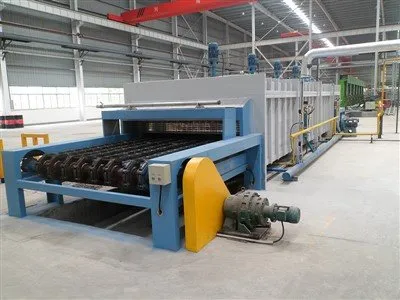
Adjusting the tension of a conveyor chain is a crucial maintenance task that directly impacts the performance and longevity of your conveyor system. As a trusted Conveyor Chain supplier, I've witnessed firsthand the challenges that improper chain tension can pose. In this blog, I'll share some expert insights on how to adjust the tension of a conveyor chain effectively.
Understanding the Importance of Proper Chain Tension
Before delving into the adjustment process, it's essential to understand why proper chain tension is so important. A conveyor chain that is too loose can cause a variety of problems, including excessive vibration, chain slippage, and premature wear on the sprockets and chain links. On the other hand, a chain that is too tight can put excessive stress on the chain, sprockets, and other components, leading to increased wear and potential damage.
Proper chain tension ensures smooth and efficient operation of the conveyor system, reduces the risk of downtime due to chain failure, and extends the lifespan of the chain and other components. It also helps to maintain consistent product flow and reduces the likelihood of product jams or spills.
Tools and Materials Needed
Before you begin adjusting the tension of the conveyor chain, you'll need to gather the following tools and materials:
- Wrenches: You'll need a set of wrenches to loosen and tighten the bolts that hold the tensioning device in place.
- Measuring Tape: A measuring tape will be used to measure the distance between the sprockets and to ensure that the chain is properly tensioned.
- Safety Gear: It's important to wear safety gear, such as gloves and safety glasses, to protect yourself from any potential hazards.
Step-by-Step Guide to Adjusting Conveyor Chain Tension
The following is a step-by-step guide to adjusting the tension of a conveyor chain:
Step 1: Inspect the Chain
Before making any adjustments, it's important to inspect the chain for any signs of damage or wear. Look for broken or worn links, damaged sprockets, and any other issues that may affect the performance of the chain. If you notice any problems, it's important to address them before adjusting the tension.
Step 2: Locate the Tensioning Device
Most conveyor systems are equipped with a tensioning device that allows you to adjust the tension of the chain. The tensioning device is typically located near the end of the conveyor or on the side of the frame. Refer to the manufacturer's manual for your specific conveyor system to locate the tensioning device.
Step 3: Loosen the Tensioning Device
Using a wrench, loosen the bolts that hold the tensioning device in place. This will allow you to move the tensioning device and adjust the tension of the chain.
Step 4: Measure the Chain Tension
To measure the chain tension, use a measuring tape to measure the distance between the sprockets at the tightest point of the chain. Refer to the manufacturer's specifications for your specific conveyor system to determine the correct tension for the chain. In general, the chain should have a slight amount of slack, but not so much that it sags or rubs against the frame.
Step 5: Adjust the Tension
Once you've measured the chain tension, you can adjust the tensioning device to increase or decrease the tension of the chain. If the chain is too loose, move the tensioning device towards the sprockets to increase the tension. If the chain is too tight, move the tensioning device away from the sprockets to decrease the tension.
Step 6: Re-tighten the Tensioning Device
After adjusting the tension of the chain, use a wrench to re-tighten the bolts that hold the tensioning device in place. Make sure the tensioning device is securely fastened to prevent it from moving during operation.
Step 7: Check the Chain Tension Again
Once you've re-tightened the tensioning device, check the chain tension again to make sure it's within the manufacturer's specifications. If necessary, make further adjustments to the tensioning device until the chain is properly tensioned.


Step 8: Test the Conveyor System
After adjusting the tension of the chain, test the conveyor system to make sure it's operating smoothly. Start the conveyor and observe the chain as it moves along the sprockets. Look for any signs of excessive vibration, chain slippage, or other issues. If you notice any problems, stop the conveyor and make further adjustments to the chain tension.
Tips for Maintaining Proper Conveyor Chain Tension
In addition to adjusting the tension of the conveyor chain regularly, there are several other tips you can follow to maintain proper chain tension and ensure the long-term performance of your conveyor system:
- Lubricate the Chain: Regularly lubricating the chain helps to reduce friction and wear, which can help to maintain proper chain tension. Refer to the manufacturer's recommendations for the type of lubricant to use and the frequency of lubrication.
- Inspect the Sprockets: Regularly inspect the sprockets for any signs of wear or damage. Worn or damaged sprockets can cause the chain to wear unevenly and can lead to improper chain tension. If you notice any problems with the sprockets, replace them as soon as possible.
- Keep the Conveyor Clean: Keeping the conveyor clean helps to prevent the buildup of dirt, debris, and other contaminants, which can affect the performance of the chain and other components. Regularly clean the conveyor using a mild detergent and water, and make sure to dry it thoroughly before starting the conveyor.
- Follow the Manufacturer's Recommendations: Always follow the manufacturer's recommendations for the operation and maintenance of your conveyor system. This includes the recommended tension for the chain, the frequency of lubrication, and the inspection and maintenance schedule.
Conclusion
Adjusting the tension of a conveyor chain is a critical maintenance task that can help to ensure the smooth and efficient operation of your conveyor system. By following the steps outlined in this blog and implementing the tips for maintaining proper chain tension, you can extend the lifespan of your chain and other components, reduce the risk of downtime due to chain failure, and improve the overall performance of your conveyor system.
If you're in the market for a high-quality Conveyor Chain, look no further. As a leading Conveyor Chain supplier, we offer a wide range of chains to meet your specific needs. Our chains are made from high-quality materials and are designed to provide reliable performance in even the most demanding applications. Whether you need a chain for a Holding Furnace or a Helical Spring Stepping Quenching Furnace, we have the solution for you.
If you have any questions or would like to discuss your specific requirements, please don't hesitate to contact us. We're here to help you find the right Conveyor Chain for your application and to provide you with the support and service you need to keep your conveyor system running smoothly.
References
- Manufacturer's manuals for conveyor systems
- Industry standards and best practices for conveyor chain maintenance