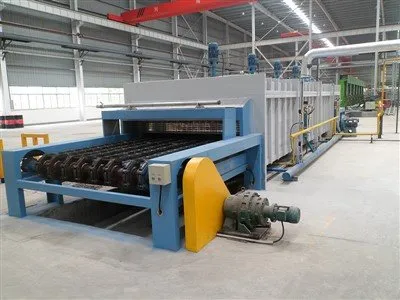
In the dynamic landscape of modern manufacturing, the integration of different production equipment has emerged as a pivotal strategy for enhancing efficiency, productivity, and overall competitiveness. As a leading supplier of Automatic Drilling Machines, I often encounter inquiries from clients regarding the feasibility of integrating our machines with other production equipment. This blog post aims to delve into this topic, exploring the possibilities, benefits, and challenges associated with integrating an Automatic Drilling Machine with other production equipment.
Understanding Automatic Drilling Machines
Before we explore integration possibilities, it's essential to understand what an Automatic Drilling Machine is and what it can offer. Our Automatic Drilling Machines are designed to perform drilling operations with high precision, speed, and repeatability. They are equipped with advanced control systems that can automate various aspects of the drilling process, such as tool selection, feed rate adjustment, and depth control. These machines are suitable for a wide range of materials, including metals, plastics, and composites, and can be used in various industries, such as automotive, aerospace, and electronics.
The Case for Integration
Integrating an Automatic Drilling Machine with other production equipment can bring numerous benefits to a manufacturing operation. Firstly, it can streamline the production process by eliminating the need for manual handling and transfer of workpieces between different machines. This not only reduces the risk of errors and damage but also significantly increases the throughput of the production line.
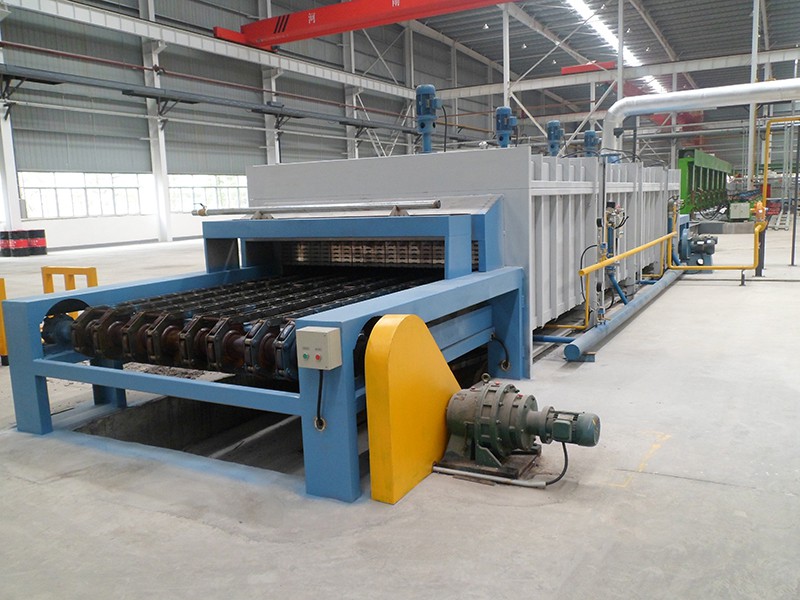

Secondly, integration can improve the overall quality of the finished products. By combining the capabilities of different machines, manufacturers can achieve more complex and precise machining operations. For example, an Automatic Drilling Machine can be integrated with a Tempering Furnace to perform drilling operations on heat-treated workpieces, ensuring that the holes are drilled with the correct dimensions and surface finish.
Thirdly, integration can enhance the flexibility of the production line. With the ability to switch between different machining operations seamlessly, manufacturers can respond more quickly to changes in customer demand and market conditions. This is particularly important in today's fast-paced manufacturing environment, where agility and responsiveness are key to success.
Integration Possibilities
There are several types of production equipment that can be integrated with an Automatic Drilling Machine, depending on the specific requirements of the manufacturing process. Here are some common examples:
1. CNC Machining Centers
CNC machining centers are versatile machines that can perform a variety of machining operations, such as milling, turning, and drilling. By integrating an Automatic Drilling Machine with a CNC machining center, manufacturers can create a more comprehensive machining solution. The Automatic Drilling Machine can be used to perform the initial drilling operations, while the CNC machining center can be used for subsequent finishing operations, such as milling and threading.
2. Robotic Handling Systems
Robotic handling systems can be used to automate the loading and unloading of workpieces between the Automatic Drilling Machine and other machines. This not only improves the efficiency of the production line but also reduces the risk of injuries to workers. Robotic arms can be programmed to pick up workpieces from a conveyor belt or a storage rack and place them accurately on the drilling machine's worktable.
3. Inspection Equipment
Integrating an Automatic Drilling Machine with inspection equipment, such as coordinate measuring machines (CMMs) or optical inspection systems, can ensure the quality of the drilled holes. After the drilling operation, the workpiece can be automatically transferred to the inspection equipment for measurement and verification. Any deviations from the specified dimensions can be detected immediately, and corrective actions can be taken in real-time.
4. Heat Treatment Equipment
As mentioned earlier, an Automatic Drilling Machine can be integrated with Volume Ear Furnace or other heat treatment equipment to perform drilling operations on heat-treated workpieces. This combination can be particularly useful in industries such as automotive and aerospace, where high-strength materials are commonly used.
5. Assembly Equipment
In some cases, an Automatic Drilling Machine can be integrated with assembly equipment to perform drilling and assembly operations in a single production line. For example, an Automatic Drilling Machine can be used to drill holes in a workpiece, and then a Volume Ear Machine can be used to insert fasteners or other components into the drilled holes.
Challenges and Considerations
While the benefits of integrating an Automatic Drilling Machine with other production equipment are significant, there are also several challenges and considerations that manufacturers need to take into account.
1. Compatibility
One of the main challenges is ensuring the compatibility of different machines and equipment. This includes mechanical, electrical, and software compatibility. For example, the Automatic Drilling Machine and the other machines need to have the same workholding systems and communication protocols to ensure seamless integration.
2. Programming and Control
Integrating different machines requires advanced programming and control systems. Manufacturers need to develop a unified control program that can coordinate the operation of all the machines in the production line. This requires a high level of expertise in programming and automation, as well as a thorough understanding of the manufacturing process.
3. Maintenance and Support
With the increased complexity of the production line, maintenance and support become more challenging. Manufacturers need to ensure that they have a reliable maintenance plan in place to keep all the machines in good working condition. They also need to have access to technical support from the equipment suppliers to address any issues that may arise.
4. Cost
Integrating an Automatic Drilling Machine with other production equipment can be a significant investment. In addition to the cost of the machines themselves, manufacturers also need to consider the cost of installation, programming, and training. However, it's important to note that the long-term benefits of integration, such as increased productivity and improved quality, often outweigh the initial investment.
Conclusion
In conclusion, the integration of an Automatic Drilling Machine with other production equipment is not only possible but also highly beneficial for modern manufacturing operations. By streamlining the production process, improving the quality of the finished products, and enhancing the flexibility of the production line, manufacturers can gain a competitive edge in the market.
However, it's important to approach integration with careful planning and consideration. Manufacturers need to assess their specific requirements, choose the right equipment, and ensure that they have the necessary expertise and resources to implement and maintain the integrated system.
If you're interested in exploring the possibilities of integrating our Automatic Drilling Machines with your existing production equipment, we'd be more than happy to discuss your needs and provide you with a customized solution. Contact us today to start the conversation and take your manufacturing operation to the next level.
References
- Groover, M. P. (2010). Fundamentals of Modern Manufacturing: Materials, Processes, and Systems. John Wiley & Sons.
- Dorf, R. C., & Bishop, R. H. (2011). Modern Control Systems. Pearson.
- Wang, Q., & Huang, X. (2018). Integration of Manufacturing Systems: Principles, Technologies, and Applications. Springer.