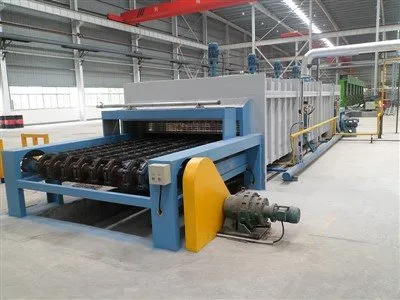
As a supplier of Stabilizer Bar Molding Machines, I often get asked whether these machines can be used for other types of metal products. It's a valid question, considering the significant investment in such machinery. In this blog, I'll delve into the capabilities of a Stabilizer Bar Molding Machine and explore its potential applications beyond stabilizer bars.
Understanding the Stabilizer Bar Molding Machine
Before we discuss its versatility, let's first understand what a Stabilizer Bar Molding Machine is and how it works. A stabilizer bar, also known as an anti - roll bar, is a crucial component in a vehicle's suspension system. It helps reduce body roll when the vehicle is turning. The Stabilizer Bar Molding Machine is designed to shape and form the raw metal into the specific shape and dimensions required for a stabilizer bar.
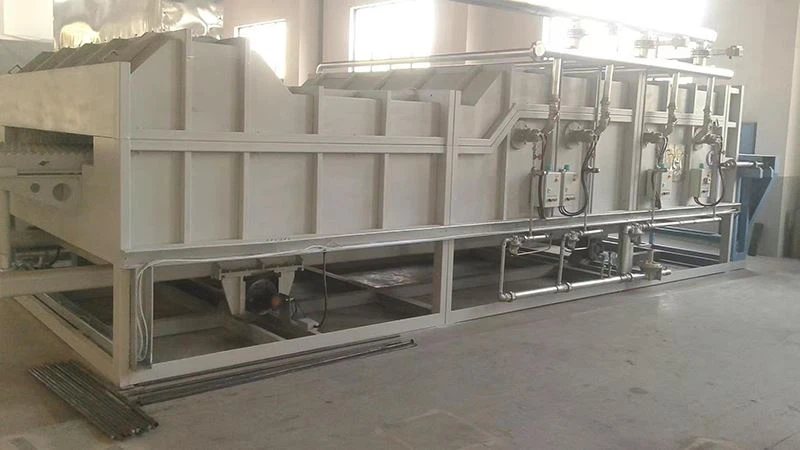
These machines typically use a combination of heat treatment, forging, and machining processes. First, the raw metal bar is heated to a specific temperature in a Both Ends Heating Furnace. This makes the metal malleable and easier to shape. Then, the heated bar is placed in the molding machine, where it is forged into the desired shape. Finally, any necessary machining operations are carried out to achieve the precise dimensions and surface finish.
Can It Be Used for Other Metal Products?
The short answer is yes, a Stabilizer Bar Molding Machine can be used for other types of metal products, but with certain limitations. Here are some factors to consider:
1. Material Compatibility
Most Stabilizer Bar Molding Machines are designed to work with specific types of metals, such as steel. Steel is a popular choice for stabilizer bars due to its high strength and durability. However, these machines can also potentially work with other metals like aluminum or titanium, as long as the material has similar malleability and mechanical properties to steel.
For example, if you want to produce aluminum components, you may need to adjust the heating temperature and forging pressure. Aluminum has a lower melting point and is less dense than steel, so the machine settings need to be optimized accordingly.
2. Shape and Design Requirements
Stabilizer bars have a relatively simple and standardized shape, typically a U - shaped or S - shaped bar. If the other metal products you want to produce have a similar shape and design, then the Stabilizer Bar Molding Machine can be used with minimal modifications.
However, if the products have complex geometries, such as intricate curves or multiple bends, the machine may not be suitable without significant retooling. In such cases, additional equipment or processes may be required to achieve the desired shape.
3. Production Volume
The production volume of the other metal products also plays a role. If you only need to produce a small number of non - stabilizer bar components, it may not be cost - effective to use a Stabilizer Bar Molding Machine. The setup time and cost of retooling the machine may outweigh the benefits.
On the other hand, if you have a large - scale production requirement for metal products with similar characteristics to stabilizer bars, then the machine can be a viable option.
Potential Applications
Here are some examples of other metal products that can potentially be produced using a Stabilizer Bar Molding Machine:
1. Trailer Hitches
Trailer hitches are used to connect a trailer to a vehicle. They are typically made of steel and have a relatively simple shape, similar to a stabilizer bar. A Stabilizer Bar Molding Machine can be used to shape the raw steel into the required shape for a trailer hitch. After forging, additional machining operations can be carried out to add mounting holes and other features.
2. Handrails
Handrails are commonly used in buildings, staircases, and industrial settings. They can be made of various metals, including steel and aluminum. If the handrail design has a straight or slightly curved shape, a Stabilizer Bar Molding Machine can be used to produce the main body of the handrail.
3. Agricultural Equipment Parts
Some parts of agricultural equipment, such as plowshares or tiller tines, are made of steel and have a relatively simple shape. A Stabilizer Bar Molding Machine can be used to produce these parts, provided that the machine settings are adjusted according to the specific requirements of the agricultural equipment.
Additional Equipment and Processes
To expand the capabilities of a Stabilizer Bar Molding Machine for other metal products, additional equipment and processes may be required.
1. Automated Supply Systems
For efficient production of different metal products, an Stabilizer Bar Automatic Supply Machine can be used. This machine can automatically feed the raw metal bars into the molding machine, reducing the need for manual labor and improving production efficiency.
2. Heat Treatment Equipment
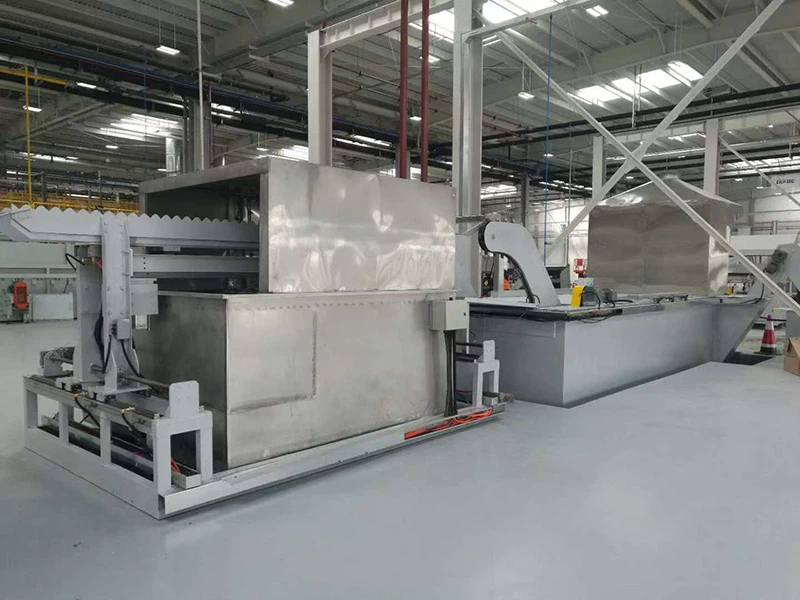
Different metal products may require different heat treatment processes. In addition to the Both Ends Heating Furnace, an Automobile Stabilizer Bar Step Quenching Furnace can be used for more precise heat treatment. Quenching is a process that involves rapid cooling of the metal to improve its hardness and strength.
Conclusion
In conclusion, a Stabilizer Bar Molding Machine has the potential to be used for other types of metal products, but it depends on several factors such as material compatibility, shape and design requirements, and production volume. With the right adjustments and additional equipment, these machines can be a versatile tool for metal product manufacturing.
If you are interested in exploring the possibility of using a Stabilizer Bar Molding Machine for your specific metal product needs, I encourage you to contact us for a detailed discussion. Our team of experts can provide you with customized solutions and help you make an informed decision.
References
- "Metal Forming Handbook: Processes and Applications" by J. G. Wistreich
- "Heat Treatment of Metals" by George E. Totten