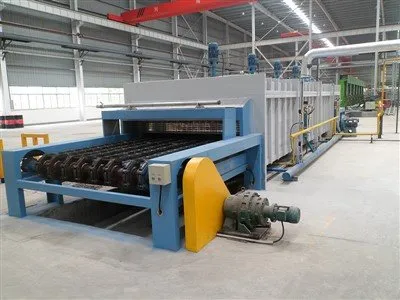
As a seasoned supplier of Holding Furnace, I've received numerous inquiries about the feasibility of using holding furnaces outdoors. This topic is not only relevant to those in the industrial sector but also to anyone looking to optimize their manufacturing processes. In this blog post, I'll delve into the technical aspects, advantages, challenges, and considerations when using a holding furnace outdoors.
Technical Overview of Holding Furnaces
Before we discuss outdoor usage, let's briefly understand what a holding furnace is. A holding furnace is designed to maintain a specific temperature for a material, typically a metal or alloy, for a set period. This is crucial in various industrial processes, such as casting, heat treatment, and metalworking. The furnace ensures that the material remains in a molten or semi - molten state, ready for further processing.
Holding furnaces come in different types, including electric, gas, and oil - fired models. Electric holding furnaces are known for their precise temperature control, while gas and oil - fired furnaces offer high heat output and are often used for large - scale operations.
Advantages of Using a Holding Furnace Outdoors
Space Availability
One of the primary advantages of using a holding furnace outdoors is the availability of space. Indoor facilities may have limited floor space, especially in older manufacturing plants. Outdoor placement allows for the installation of larger furnaces or multiple furnaces without the need for extensive facility modifications. This can lead to increased production capacity and efficiency.
Ventilation
Holding furnaces generate a significant amount of heat and exhaust gases during operation. Outdoor placement provides natural ventilation, which helps to dissipate heat and remove harmful fumes more effectively than indoor ventilation systems. This not only improves the working environment but also reduces the risk of heat - related equipment failures and health hazards for workers.
Noise Reduction
The operation of a holding furnace can be noisy, especially when it comes to gas or oil - fired models. Placing the furnace outdoors can help to isolate the noise, minimizing its impact on the indoor working environment. This is particularly beneficial in facilities where a quiet working environment is essential, such as research and development areas or administrative offices.
Challenges of Using a Holding Furnace Outdoors
Weather Conditions
Outdoor conditions can pose significant challenges to the operation of a holding furnace. Extreme temperatures, rain, snow, and high humidity can affect the performance and lifespan of the furnace. For example, in cold weather, the furnace may require more energy to maintain the desired temperature, while excessive moisture can cause corrosion and electrical problems.
Security
Outdoor furnaces are more vulnerable to theft and vandalism compared to indoor ones. Without proper security measures, valuable equipment and materials stored in or around the furnace can be at risk. Additionally, unauthorized access to the furnace can lead to safety hazards and operational disruptions.
Regulatory Compliance
Using a holding furnace outdoors may require compliance with additional local regulations and permits. These regulations may cover aspects such as environmental protection, noise pollution, and safety standards. Failure to comply with these regulations can result in fines and legal issues.
Considerations for Outdoor Use of Holding Furnaces
Weatherproofing
To protect the furnace from adverse weather conditions, it is essential to invest in proper weatherproofing measures. This may include installing a shelter or enclosure around the furnace, using weather - resistant materials for the furnace construction, and implementing insulation to reduce heat loss in cold weather.

Security Measures
Implementing security measures such as fencing, surveillance cameras, and access control systems can help to protect the outdoor furnace from theft and vandalism. Regular inspections and maintenance of the security equipment are also necessary to ensure its effectiveness.
Energy Efficiency
Given the potential increase in energy consumption due to outdoor conditions, it is crucial to optimize the energy efficiency of the holding furnace. This can be achieved through the use of high - efficiency burners, insulation, and advanced temperature control systems. Additionally, considering the orientation of the furnace to take advantage of natural sunlight and wind can also help to reduce energy costs.
Compatibility with Other Equipment
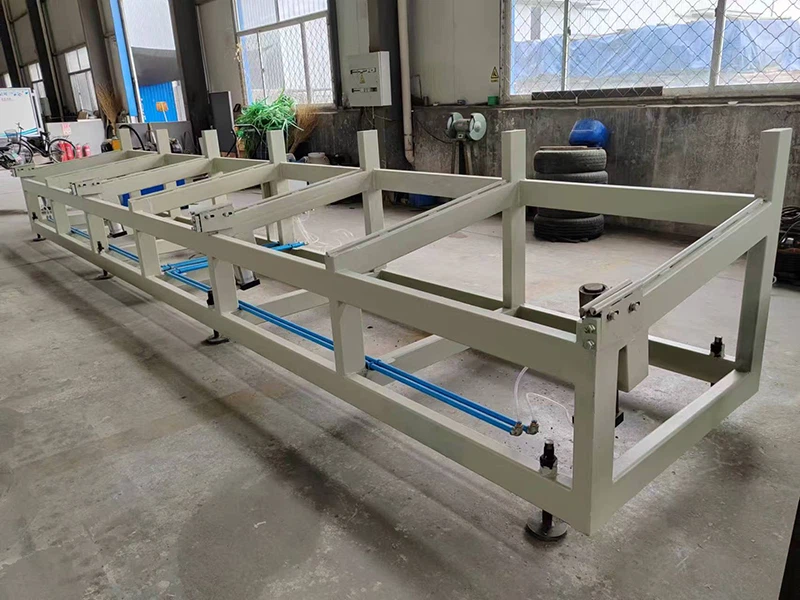
When using a holding furnace outdoors, it is important to ensure its compatibility with other equipment in the manufacturing process. For example, if the furnace is connected to a Conveyor Chain or a Helical Spring Stepping Quenching Furnace, proper installation and alignment are necessary to ensure smooth operation.
Conclusion
In conclusion, while using a holding furnace outdoors has its advantages in terms of space, ventilation, and noise reduction, it also presents several challenges related to weather conditions, security, and regulatory compliance. With proper planning, installation, and maintenance, these challenges can be overcome, allowing for safe and efficient outdoor use of holding furnaces.
If you are considering using a holding furnace outdoors or have any questions about our Holding Furnace products, we encourage you to contact us for a detailed consultation. Our team of experts is ready to provide you with the best solutions tailored to your specific needs.
References
- ASM Handbook, Volume 4: Heat Treating. ASM International.
- Industrial Furnace Manual. The Fairmont Press.
- Local environmental and safety regulations.