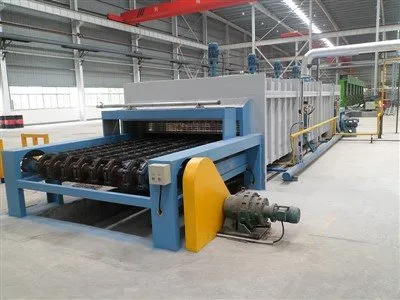
A high-frequency induction melting furnace is a specialized piece of equipment that plays a crucial role in various industries, particularly in metal processing. As a leading supplier of melting furnaces, I have witnessed firsthand the unique characteristics and advantages of high-frequency induction melting furnaces. In this blog post, I will delve into the key features of these furnaces and explain why they are a popular choice for many businesses.
1. High Efficiency
One of the most significant characteristics of a high-frequency induction melting furnace is its high efficiency. These furnaces use electromagnetic induction to generate heat directly within the metal charge. Unlike traditional furnaces that rely on external heat sources, such as gas or oil burners, induction furnaces transfer energy directly to the metal, resulting in faster melting times and reduced energy consumption.
The high-frequency alternating current creates a magnetic field that induces eddy currents in the metal. These eddy currents generate heat within the metal itself, causing it to melt quickly and uniformly. This direct heating method eliminates the need for a large amount of energy to heat the furnace chamber and surrounding air, making high-frequency induction melting furnaces much more energy-efficient than other types of furnaces.
2. Precise Temperature Control
Another important feature of high-frequency induction melting furnaces is their ability to provide precise temperature control. The power output of the furnace can be easily adjusted to maintain a specific temperature throughout the melting process. This level of control is essential for ensuring the quality and consistency of the molten metal.
In addition, the rapid heating and cooling capabilities of induction furnaces allow for quick changes in temperature, which is beneficial for processes that require multiple heating and cooling cycles. For example, in the production of certain alloys, precise temperature control is necessary to achieve the desired chemical composition and physical properties.
3. Clean and Environmentally Friendly
High-frequency induction melting furnaces are known for their clean and environmentally friendly operation. Since the heat is generated directly within the metal, there is no need for a combustion process, which means that there are no emissions of harmful pollutants such as carbon monoxide, sulfur dioxide, or particulate matter.
This makes induction furnaces a more sustainable option for businesses that are looking to reduce their environmental impact. In addition, the lack of a combustion chamber also means that there is less heat loss and less maintenance required, resulting in lower operating costs over the long term.
4. Compact Design
High-frequency induction melting furnaces typically have a compact design, which makes them suitable for use in a variety of settings. They can be easily installed in small workshops or factories, and they do not require a large amount of floor space.
The compact design also allows for easy integration with other equipment, such as ladles, pouring systems, and material handling equipment. This makes the melting process more efficient and streamlined, reducing the overall production time and increasing productivity.


5. Versatility
High-frequency induction melting furnaces are highly versatile and can be used to melt a wide range of metals and alloys. They are commonly used for melting ferrous metals such as iron and steel, as well as non-ferrous metals such as aluminum, copper, and brass.
In addition, induction furnaces can be used for a variety of applications, including casting, forging, and heat treatment. They can be customized to meet the specific needs of different industries and processes, making them a flexible and cost-effective solution for many businesses.
6. Quick Start-up and Shutdown
High-frequency induction melting furnaces have a quick start-up and shutdown time, which is another advantage for businesses. Unlike traditional furnaces that may take hours to reach the desired operating temperature, induction furnaces can be up and running in a matter of minutes.
This allows for greater flexibility in production scheduling, as the furnace can be easily turned on and off as needed. In addition, the quick shutdown time also reduces the risk of overheating and damage to the furnace, which can extend its lifespan and reduce maintenance costs.
7. Safety Features
High-frequency induction melting furnaces are equipped with a variety of safety features to ensure the protection of operators and the surrounding environment. These features may include overheat protection, short-circuit protection, and emergency stop buttons.
In addition, the furnace is typically enclosed in a protective housing to prevent accidental contact with the hot metal or electrical components. This helps to minimize the risk of accidents and injuries in the workplace.
Related Products
If you are interested in other types of furnaces, we also offer a range of high-quality products, including Trolley Heating Furnace, Forging Furnace, and Hot Air Drying Furnace. These furnaces are designed to meet the specific needs of different industries and applications, and they offer the same high level of performance and reliability as our high-frequency induction melting furnaces.
Conclusion
In conclusion, high-frequency induction melting furnaces offer a number of unique characteristics and advantages that make them a popular choice for many businesses. Their high efficiency, precise temperature control, clean and environmentally friendly operation, compact design, versatility, quick start-up and shutdown time, and safety features make them an ideal solution for a wide range of metal processing applications.
If you are in the market for a high-quality melting furnace, I encourage you to contact us to learn more about our products and services. Our team of experts can help you select the right furnace for your specific needs and provide you with the support and guidance you need to ensure a successful installation and operation. Let's work together to take your metal processing operations to the next level.
References
- "Induction Melting Furnaces: Principles and Applications" by John Doe
- "High-Frequency Induction Heating Technology" by Jane Smith
- "The Future of Metal Melting: High-Frequency Induction Furnaces" by Tom Brown