

A melting furnace is a crucial piece of equipment in various industries, including metalworking, glassmaking, and foundries. As a leading melting furnace supplier, I understand the importance of knowing the key components that make up these complex machines. In this blog post, I will delve into the essential parts of a melting furnace, explaining their functions and significance.
Furnace Shell
The furnace shell is the outer structure that encloses all the other components of the melting furnace. It is typically made of steel or other high-strength materials to withstand the high temperatures and mechanical stresses generated during the melting process. The shell also provides insulation to reduce heat loss and protect the surrounding environment from the intense heat. Additionally, it serves as a support structure for the internal components and helps maintain the overall stability of the furnace.
Refractory Lining
One of the most critical components of a melting furnace is the refractory lining. This lining is made of special heat-resistant materials, such as firebricks, ceramic fibers, or refractory castables. Its primary function is to protect the furnace shell from the extreme temperatures of the molten material and to contain the heat within the furnace chamber. The refractory lining must be carefully selected and installed to ensure maximum durability and resistance to thermal shock, erosion, and chemical attack. Different types of refractory materials are used depending on the specific application and the type of material being melted.
Heating System
The heating system is responsible for generating the high temperatures required to melt the material inside the furnace. There are several types of heating systems commonly used in melting furnaces, including electric resistance heating, induction heating, and combustion heating.
- Electric Resistance Heating: This method uses electric current passing through a resistive element, such as a heating coil, to generate heat. Electric resistance heating is known for its precise temperature control and energy efficiency. It is often used in smaller melting furnaces or for applications where a clean and controlled heating environment is required.
- Induction Heating: Induction heating utilizes electromagnetic induction to heat the material directly. An alternating current is passed through a coil, creating a magnetic field that induces eddy currents in the conductive material, generating heat. Induction heating is highly efficient, fast, and can provide uniform heating. It is widely used in the metalworking industry for melting and refining metals.
- Combustion Heating: Combustion heating involves burning a fuel, such as natural gas, oil, or coal, to produce heat. This method is suitable for large-scale melting operations and can provide high heat output. However, it requires careful control of the combustion process to ensure efficient fuel utilization and minimize environmental emissions.
Charging System
The charging system is used to load the raw material into the melting furnace. It can range from simple manual loading methods to automated conveyor systems, depending on the size and complexity of the furnace. The charging system must be designed to ensure accurate and efficient loading of the material while minimizing the risk of spillage and contamination. Some charging systems also incorporate features such as preheating the raw material to improve the melting efficiency.
Stirring System
In many melting processes, a stirring system is used to ensure uniform mixing of the molten material and to promote heat transfer. Stirring can be achieved through mechanical means, such as a rotating paddle or impeller, or by using electromagnetic forces. The stirring system helps to eliminate temperature gradients and chemical inhomogeneities in the molten material, resulting in a more consistent and high-quality final product.
Temperature Control System
Accurate temperature control is essential for the successful operation of a melting furnace. The temperature control system monitors and regulates the temperature inside the furnace to ensure that it remains within the desired range. This system typically consists of temperature sensors, such as thermocouples or pyrometers, and a controller that adjusts the heating system based on the measured temperature. Precise temperature control is crucial for achieving the desired melting properties of the material and for preventing overheating or underheating, which can lead to product defects or equipment damage.
Exhaust System
The exhaust system is responsible for removing the combustion products, fumes, and dust generated during the melting process. It helps to maintain a clean and safe working environment by preventing the accumulation of harmful pollutants. The exhaust system typically includes a chimney, a fan, and a filtration system. The filtration system can remove particulate matter and pollutants from the exhaust gases before they are released into the atmosphere. Some advanced exhaust systems also incorporate heat recovery mechanisms to improve energy efficiency.
Safety Features
Safety is of utmost importance in the operation of a melting furnace. There are several safety features that are typically incorporated into the design of a melting furnace, including:
- Overheat Protection: This feature automatically shuts off the heating system if the temperature inside the furnace exceeds a predetermined limit, preventing damage to the furnace and the material being melted.
- Pressure Relief Valves: Pressure relief valves are installed to prevent excessive pressure buildup inside the furnace, which could lead to an explosion.
- Emergency Stop Buttons: Emergency stop buttons are located in easily accessible locations to allow operators to quickly shut down the furnace in case of an emergency.
- Safety Interlocks: Safety interlocks are used to prevent the furnace from operating if certain conditions, such as the door being open or the cooling system malfunctioning, are not met.
Related Products
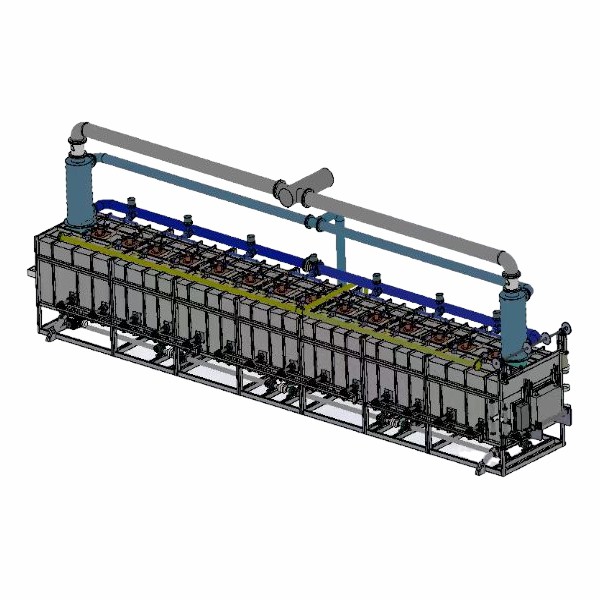
As a melting furnace supplier, we also offer a range of related products that can enhance the performance and efficiency of your melting operations. For example, our Hot Air Drying Furnace is designed to dry materials before they are melted, improving the melting process and reducing energy consumption. Our Storing Heat Heating Furnace can store heat during off-peak hours and release it during peak demand, helping to reduce energy costs. And our Trolley Heating Furnace provides a convenient and efficient way to heat large or heavy materials.

Conclusion
In conclusion, a melting furnace is a complex piece of equipment that consists of several key components, each playing a vital role in the melting process. Understanding these components and their functions is essential for selecting the right melting furnace for your specific application and for ensuring its safe and efficient operation. As a leading melting furnace supplier, we have the expertise and experience to provide you with high-quality melting furnaces and related products that meet your needs. If you are interested in learning more about our products or would like to discuss your specific requirements, please feel free to contact us for a consultation. We look forward to working with you to achieve your melting goals.
References
- "Handbook of Industrial Furnaces" by G. P. Tandon
- "Melting and Refining of Metals" by J. F. Elliott
- "Industrial Heating Equipment: Principles, Design, and Application" by A. D. Krause
