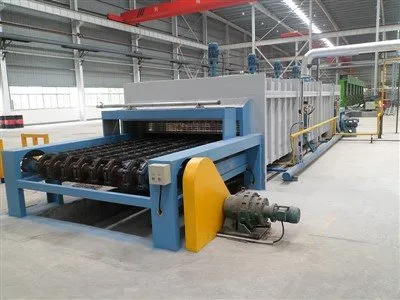
Building a proper foundation for a melting furnace is crucial for its long - term performance and safety. As a melting furnace supplier, I've seen firsthand how a well - constructed foundation can make or break a furnace installation. In this blog, I'll share some key steps and considerations for building that solid base.
Understanding the Basics of a Melting Furnace Foundation
Before we dive into the construction process, let's understand why a good foundation is so important. A melting furnace is a heavy and high - temperature piece of equipment. It generates a lot of heat, vibration, and sometimes even mechanical stress. A proper foundation helps to distribute the weight of the furnace evenly, absorb vibrations, and prevent heat transfer to the underlying ground, which could cause damage over time.
The first thing to do is to assess the site where the furnace will be installed. You need to check the soil conditions. Is it stable? Is it prone to flooding or subsidence? If the soil is soft or unstable, you may need to take additional measures like soil stabilization or deep foundation techniques. For example, if the soil has a high clay content, it can expand and contract with changes in moisture, which can lead to uneven settling of the furnace.
Designing the Foundation
Once you've assessed the site, it's time to design the foundation. The design should take into account the size and weight of the Melting Furnace, as well as the type of furnace. Different types of melting furnaces, such as induction furnaces or electric arc furnaces, have different requirements.
The foundation should be large enough to support the entire footprint of the furnace and any associated equipment. It should also have a sufficient depth to reach stable soil layers. A general rule of thumb is that the foundation depth should be at least 1 - 2 meters, but this can vary depending on the soil conditions and the weight of the furnace.
You'll also need to consider the reinforcement of the foundation. Steel reinforcement bars, or rebar, are commonly used to strengthen the concrete foundation. The rebar should be placed in a grid pattern to provide uniform support. The size and spacing of the rebar depend on the load - bearing requirements of the furnace.
Materials for the Foundation
The most common material for a melting furnace foundation is concrete. Concrete is strong, durable, and can withstand high temperatures. When choosing concrete, you need to select a mix that is suitable for the specific requirements of the furnace. For example, if the furnace generates a lot of heat, you may need a high - temperature - resistant concrete mix.
You can also add additives to the concrete to improve its properties. For instance, adding fibers can increase the crack resistance of the concrete. Make sure to follow the manufacturer's instructions when mixing and pouring the concrete to ensure its quality.
In addition to concrete, you may also need other materials such as insulation. Insulation helps to reduce heat transfer from the furnace to the foundation and the surrounding environment. There are different types of insulation materials available, such as ceramic fiber insulation or refractory bricks.
Construction Process
The construction process of the foundation starts with excavation. You need to dig a hole according to the design specifications. Make sure to remove any loose soil or debris from the bottom of the excavation.
Next, you'll need to install the formwork. Formwork is a temporary structure that holds the concrete in place until it hardens. It should be made of strong and rigid materials, such as wood or steel. The formwork should be properly aligned and braced to ensure the correct shape and dimensions of the foundation.
After installing the formwork, it's time to place the rebar. As mentioned earlier, the rebar should be placed in a grid pattern. Make sure to tie the rebar together at the intersections to prevent it from shifting during the concrete pouring process.
Once the rebar is in place, you can start pouring the concrete. Pour the concrete in layers and use a vibrator to remove any air bubbles and ensure proper compaction. It's important to pour the concrete continuously to avoid cold joints, which can weaken the foundation.
After pouring the concrete, you need to cure it properly. Curing is the process of keeping the concrete moist and at a suitable temperature to allow it to gain strength. You can cover the concrete with a plastic sheet or use a curing compound to prevent moisture loss. The curing time can range from a few days to a few weeks, depending on the type of concrete and the environmental conditions.
Safety Considerations
Safety is of utmost importance when building a melting furnace foundation. During the construction process, make sure that all workers wear appropriate safety gear, such as hard hats, safety glasses, and steel - toed boots.
When working with concrete, be aware of the potential hazards. Concrete can cause skin irritation and burns, especially if it comes into contact with wet skin. Make sure to wash your hands thoroughly after handling concrete.
Also, when using heavy equipment for excavation and formwork installation, follow all safety procedures. Ensure that the equipment is in good working condition and that operators are properly trained.
Other Related Furnaces and Their Foundation Requirements
In addition to Melting Furnace, we also supply Trolley Heating Furnace and Forging Furnace. These furnaces also require proper foundations, but their requirements may be different.
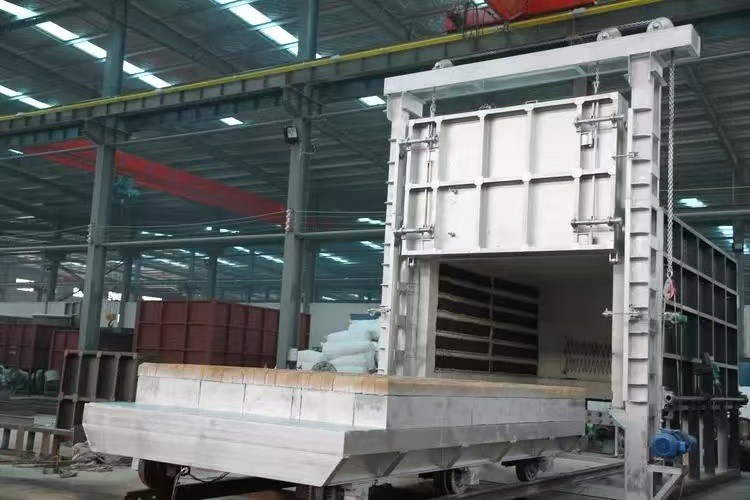
A Trolley Heating Furnace is often used for heat treatment processes. It usually has a smaller footprint compared to a melting furnace, but it still needs a stable foundation to support the weight of the furnace and the trolley. The foundation should be designed to accommodate the movement of the trolley and any associated tracks.
A Forging Furnace is used to heat metal for forging operations. It generates a lot of heat and mechanical stress. The foundation for a forging furnace needs to be strong enough to withstand these forces. It may also require additional insulation to prevent heat loss and protect the surrounding environment.
Conclusion
Building a proper foundation for a melting furnace is a complex but essential task. It requires careful planning, proper design, and high - quality construction. By following the steps and considerations outlined in this blog, you can ensure that your melting furnace has a solid base that will last for many years.
If you're in the market for a melting furnace or any other related equipment, and you have questions about foundation design and construction, don't hesitate to reach out. We're here to help you with all your furnace needs and can provide you with professional advice and support. Whether you're a small - scale operation or a large industrial facility, we have the expertise to meet your requirements. Contact us today to start the procurement process and let's work together to build a successful furnace installation.

References
- "Industrial Furnace Handbook: Principles, Design, and Operation"
- "Concrete Construction Handbook"
- Industry standards and guidelines for melting furnace installation